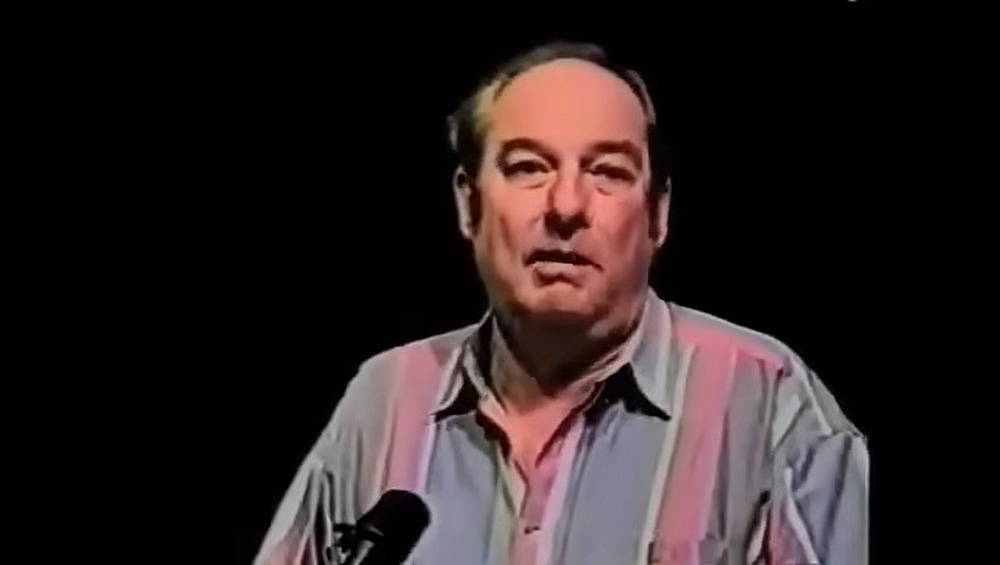
Milton William Cooper’s “Behold a Pale Horse,” published in 1991, has become a cornerstone of conspiracy literature. Cooper, a former U.S. Naval Intelligence officer, presents a blend of personal anecdotes, historical analysis, and speculative theories that challenge mainstream narratives. His work is often characterized by a sense of urgency and a call to awaken the public to hidden truths. The book’s title references the biblical passage from Revelation, suggesting an ominous warning about the state of the world.
Physical copy of “Behold a Pale Horse”: https://amzn.to/3V2WXfu
The controversial nature of Cooper’s book stems from its provocative claims and the conspiratorial lens through which he views historical events. He posits that a shadowy elite manipulates global affairs, often invoking themes of government cover-ups and extraterrestrial involvement. This has led to polarized reactions; while some readers embrace his ideas as revelations, others dismiss them as unfounded paranoia. The book’s blend of fact and fiction has made it a target for censorship in various countries, raising questions about the boundaries of free expression.
Allegations of Conspiracy Theories
“Behold a Pale Horse” is rife with conspiracy theories that challenge established narratives about government actions and historical events. Cooper discusses topics such as the assassination of President John F. Kennedy, the Watergate scandal, and the existence of secret societies like the Illuminati. He argues that these events are interconnected and part of a larger scheme to control humanity. His assertions often lack empirical evidence, relying instead on anecdotal accounts and speculative reasoning.
The controversial topics within the book have led to its ban in several countries. Governments often view such literature as potentially destabilizing, fearing that it could incite public unrest or distrust in institutions. The book’s claims about government complicity in nefarious activities resonate with those already skeptical of authority, making it a potent tool for conspiracy theorists. This has prompted authorities to restrict access to the text, citing concerns over its potential to mislead or incite violence.
Fear of Unrest and Unrest
The potential for “Behold a Pale Horse” to incite fear among readers cannot be understated. Cooper’s vivid descriptions of government conspiracies and impending doom create an atmosphere of paranoia. He suggests that the government is not only aware of these conspiracies but actively participates in them, leading to a pervasive sense of mistrust among citizens. This fear can manifest in various ways, from increased anxiety about personal safety to a heightened sense of vigilance against perceived threats.
Governments may view the book’s content as a threat to national security. By promoting distrust in official narratives, Cooper’s work could encourage individuals to take actions based on fear rather than reasoned judgment. This potential for unrest is particularly concerning in politically charged environments where misinformation can lead to real-world consequences. Authorities may feel compelled to intervene, fearing that the book could inspire individuals or groups to act out against perceived injustices.
Impact
“Behold a Pale Horse” poses a unique challenge to government and political figures who rely on public trust to maintain authority. Cooper’s assertions undermine the credibility of institutions by suggesting that they are complicit in widespread deception. This can erode public confidence in elected officials and governmental bodies, leading to a fracturing of social cohesion. When citizens begin to question the motives behind policy decisions, it can create an environment ripe for dissent.
The book’s potential to undermine authority extends beyond mere skepticism; it can inspire active resistance against perceived tyranny. Political figures may find themselves targeted by conspiracy theorists who adopt Cooper’s narrative as justification for their actions. This dynamic can complicate governance, as leaders must navigate a landscape where their legitimacy is constantly challenged by alternative narratives that gain traction among disillusioned constituents.
The spread of misinformation is a significant concern associated with “Behold a Pale Horse.” Cooper’s blending of fact and fiction can mislead readers who may lack the critical skills necessary to discern credible information from conspiracy-laden rhetoric. His claims often lack rigorous sourcing, relying instead on anecdotal evidence that can easily be manipulated or misinterpreted. This poses risks not only to individual understanding but also to broader societal knowledge.
The potential for disinformation is particularly acute in an age where information spreads rapidly through digital platforms. Readers may encounter Cooper’s theories online without context or critical analysis, leading to the uncritical acceptance of his ideas. This can perpetuate false narratives that distort public understanding of key issues, ultimately harming informed discourse and decision-making within society.
The influence of “Behold a Pale Horse” on public opinion is profound, particularly among those already predisposed to skepticism about government actions. Cooper’s work can serve as a rallying point for individuals seeking alternative explanations for complex events. This can create echo chambers where dissenting voices are amplified while mainstream perspectives are dismissed as propaganda.
The book’s content may also be perceived as a threat to social harmony and cohesion. As individuals adopt conspiratorial beliefs, divisions within society can deepen, leading to polarization on critical issues. This fragmentation can hinder constructive dialogue and compromise, making it increasingly difficult for communities to address shared challenges collaboratively.